
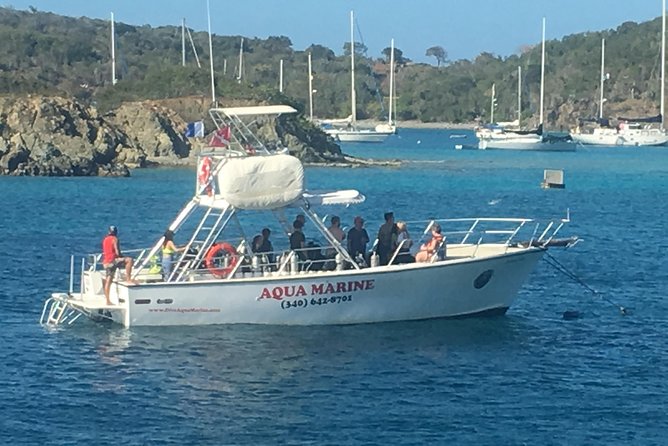
Reviewed · ST THOMAS TOURS
PADI / SSI Open Water Certification
St. Thomas gives you a memorable way to earn your first scuba certification: study online, practice in a pool, then complete your required skills in the sea around reefs and wrecks. Aqua Marine Dive Center offers PADI, SSI, and SDI pathways, so you can choose the agency that fits your plans.
I like the small maximum of eight people, which gives instructors more room to watch your technique and settle nervous beginners. I also like that gear, bottled water, soft drinks, and snacks are included. The main catch is that this is not a single afternoon outing. You need 6 to 12 hours of e-learning, a pool session, and two boat trips, all arranged ahead of time.
Key points to know before booking
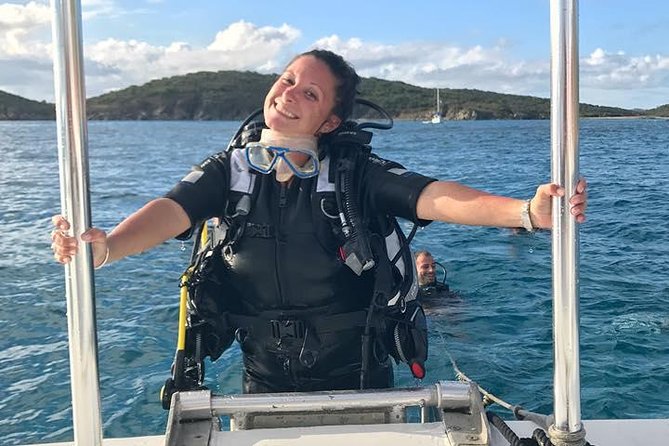
- Three half-days in the water: Plan on a pool session plus two open-water boat days, or about one and a half days of in-water training.
- PADI, SSI, or SDI available: You can complete the course through one of three major certification agencies.
- Small groups: The maximum is eight people, a useful limit for first-time students.
- All training gear supplied: You do not need to bring your own scuba equipment.
- Boat-day refreshments included: Bottled water, soft drinks, and snacks are provided.
- Schedule everything early: Your e-learning must be finished before in-water instruction, and the pool and boat sessions need separate appointments.
What you are really booking in St. Thomas
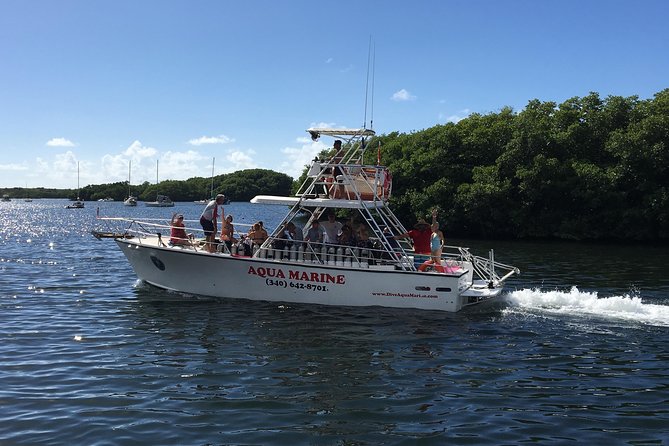
The $795 price covers a full beginner certification program, not simply a scenic boat ride with a short lesson. You are paying for instruction, equipment, confined-water practice, and the open-water checkouts needed to qualify as a recreational scuba diver.
The course is based at Saga Haven Marina in St. Thomas. The listed start time is 1:00 pm, but that should not be read as the beginning of every part of the program. After booking, you need to contact Aqua Marine Dive Center to arrange the early morning pool session and the second boat day. The program works more like a short training schedule than a fixed tour.
That distinction matters. If you arrive on a cruise ship for one free afternoon, this probably will not fit. If you are staying on St. Thomas for several days and want to leave the island with a useful new qualification, the format makes good sense.
Other St Thomas days people book alongside this one:
- Turtle Cove Catamaran Snorkel and Sail at Little Buck Island STT
★ 5.0 · 2,100 reviews - Snorkel St. John Tour from Sapphire and Margaritaville
★ 5.0 · 1,874 reviews - Night Kayak Tour St. Thomas – Westin Frenchman’s Reef
★ 5.0 · 1,813 reviews
Start with the 6 to 12 hours of online study
Before getting into the water, you complete the agency’s online course material. The online portion is not included in the $795 price, and you must finish it before beginning in-water training.
Set aside 6 to 12 hours for this work. That is a serious chunk of vacation time, so do not wait until the night before your pool appointment. The material covers the basic ideas you need before handling scuba equipment, and doing it at home lets the instructor spend in-person time on practical skills rather than elementary classroom material.
If you have not yet been assigned the online course, Aqua Marine can help arrange it. PADI’s Open Water Diver course is also linked in the booking information. Confirm which agency you are taking before buying any e-learning, since the available certification routes include PADI, SSI, and SDI.
I see this online-first approach as a plus for most people. You can pause, repeat, and review the material at your own pace. The downside is that the course demands advance planning. Your St. Thomas schedule should be built around the training, not the other way around.
Pool practice comes before the sea
The first in-person session takes place in confined water, with an instructor guiding you through the basic skills. This is where you learn how the equipment feels, how to manage yourself underwater, and how to respond to common problems in a controlled setting.
That pool time is especially important if you feel uneasy about breathing through a regulator or clearing a mask. Several instructors associated with this program are praised for patience and calm instruction, including Steph, Erica, Kyle, Jamie, and James Wood. Instructor names and availability can change, so ask when you schedule rather than assuming a particular person will teach your course.
The pool session is also a useful checkpoint. You are not simply ticking off a requirement. You are learning whether the mask fits properly, whether the gear feels manageable, and whether you can perform the required tasks without rushing. One student described Steph as particularly reassuring during mask practice, which is the kind of personal attention beginners need.
You should arrive ready to swim and prepared for a moderate physical effort. All participants must be able to swim comfortably and capably in open water without assistance. This is not a sit-back-and-watch activity.
Two boat days complete the open-water work
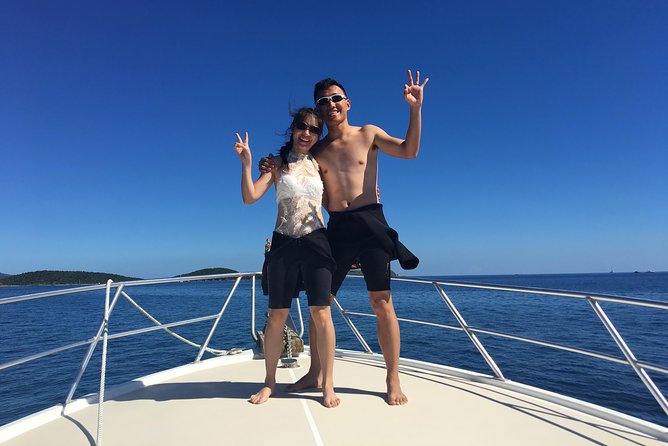
Once you and your instructor are comfortable with the basic skills, you move to the open ocean. The certification requires two boat trips of checkout work, with the total program taking at least three half-days in the water.
These boat sessions combine instruction with the pleasure of being in St. Thomas waters. You will repeat and demonstrate the skills learned in the pool while working under real open-water conditions. The exact reefs, wrecks, depth, visibility, and marine life depend on the day’s plan and conditions, so do not book this expecting one guaranteed animal sighting or one fixed underwater site.
A boat day can be more exciting than the pool, but it also adds variables. Wind, waves, current, and visibility affect how comfortable the session feels. One account describes a shallow first stop around 30 feet at Christmas Cove with poor visibility and no turtles. That is a useful reminder that even a highly regarded boat operation cannot control marine life or the day’s water conditions.
The operator’s response to that sort of disappointing outing is also telling: conditions and animal activity can vary, and an alternate day may offer a better setting. Keep your expectations practical. The goal is certification in a beautiful place, not a guaranteed wildlife show.
Same islands, a completely different day on the water:
- Tree Limin’ Extreme Zipline
★ 5.0 · 1,713 reviews - Afternoon Snorkel, Pizza & Sunset Tour departing from St. Thomas & St. John
★ 5.0 · 1,498 reviews - Parasail Experience in St Thomas
★ 5.0 · 1,215 reviews - Sunset & Harbor Lights Dinner Sail from the Marriott’s Frenchman’s Cove
★ 5.0 · 1,176 reviews
Small groups and patient instruction matter
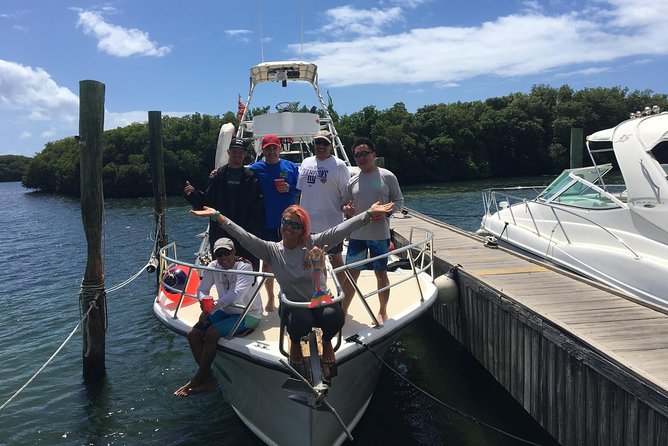
A maximum of eight participants is one of the strongest features of this program. Beginner scuba training can become stressful if an instructor is trying to monitor a large group, especially when students have different comfort levels and learning speeds.
A smaller class gives you a better chance to ask questions, repeat a skill, or pause when something does not feel right. That is valuable for families, couples, and mixed-experience groups. It also helps when one student needs extra time with mask clearing, buoyancy, or equipment handling.
The instructors receive especially strong praise for being patient, safety-focused, and encouraging. Kyle is repeatedly singled out for explaining tasks clearly and helping nervous students stay calm. Erica is described as both supportive and firm, a useful balance when young students need encouragement but also must follow instructions carefully. Jamie and James Wood are also noted for thorough teaching.
Do remember that instructor requests are not guarantees. The practical question to ask is not only who is available, but how the staff will structure your sessions and how many students will be in your group on each day.
Equipment, snacks, and what to bring
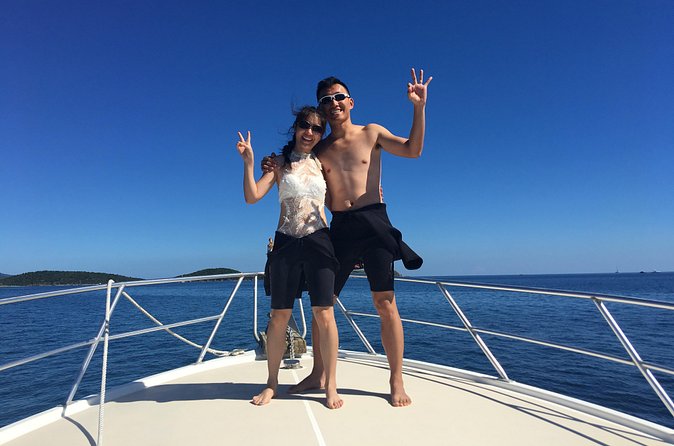
The course includes use of the necessary scuba gear. That removes one major cost and simplifies packing, especially if this is your first certification and you do not own equipment.
Bottled water, soft drinks, and snacks are supplied on boat days. These are modest inclusions, but they matter during a half-day on the water. You can focus on the lesson instead of trying to organize food and drinks between sessions.
The supplied details do not list hotel pickup, so you are responsible for reaching Saga Haven Marina. The marina is near public transportation, but confirm the best route and arrival time with the operator. Since the listed activity ends back at the same meeting point, plan your onward transportation from there.
You should also bring the personal items you normally need for a day near the water. The formal information specifically confirms gear, drinks, and snacks, but it does not promise hotel transfers or e-learning materials.
The $795 price: good value for a real qualification
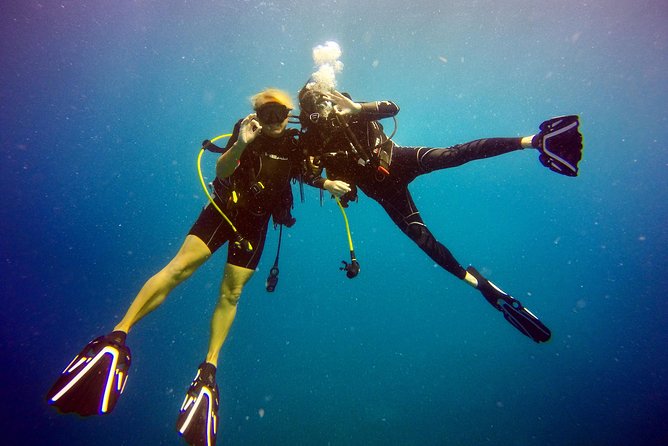
At $795 per person, this is not a cheap add-on. The price becomes easier to judge when you separate it from a normal recreational boat trip. You are receiving instruction, equipment use, confined-water training, and the required sea sessions for a recognized PADI, SSI, or SDI qualification.
The e-learning fee is extra, and transportation to the marina is not included. Those costs should be part of your budget. You also need to give up several half-days of vacation time, plus the hours spent studying online.
Still, the course can offer solid value if certification is one of your main goals in St. Thomas. You finish with training that can support future recreational scuba trips, rather than only a one-time introductory swim. The small class limit and full equipment provision also reduce the need to arrange separate instruction or rent gear elsewhere.
I would compare the price with other full open-water certification courses, not with a single introductory boat trip. If you mainly want to see the reefs once and are unsure about committing to certification, a shorter introductory option may suit you better. If you already know you want the qualification, completing it during a St. Thomas stay can be efficient and memorable.
Age, health, and flight planning
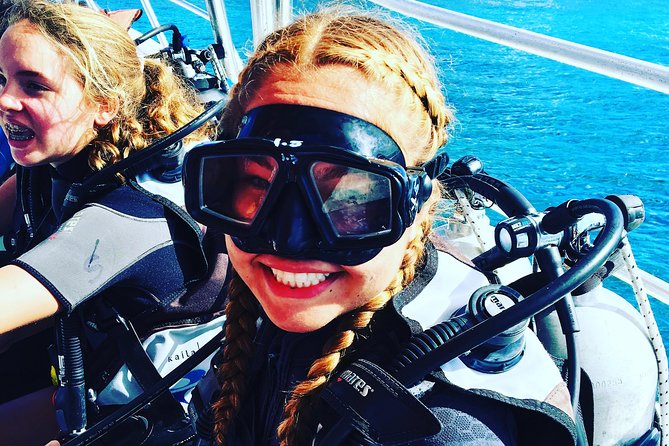
The minimum age is 10, and children must be accompanied by an adult. The program has been used for young students, including children around 11 to 15, but every child still needs to meet the swimming and medical requirements.
On arrival, all students complete a standard Diver Medical Questionnaire. Review it before the trip. Some health conditions may require written approval from a doctor, and discovering that at the marina could disrupt your schedule.
You should also leave at least 18 hours between your final scuba session and flying. This is one of the most important planning details. Do not schedule the last checkout immediately before a flight home. A stay of several days gives you much more flexibility and leaves room for weather changes.
The course requires good weather. If poor weather forces cancellation, you are offered a different date or a full refund. If the minimum number of participants is not reached, you are offered a different date or experience, or a full refund. By contrast, your own cancellation is non-refundable and cannot be changed, so confirm your vacation dates before paying.
Who will get the most from this course
This program suits you if you want a recognized qualification and can reserve at least one and a half days for in-water work. It is a good match for couples, families with older children, and first-time students who prefer direct instruction in a small group.
It also works well if you have already completed the theory portion at home and want to use a St. Thomas holiday for the practical work. The staff can help assign the online course, but you should contact them early so the study, pool, and boat schedules line up.
You may want a different activity if your time on the island is tightly limited, if you do not swim comfortably in open water, or if you only want a quick taste of scuba. The course is structured and demanding in the best sense. It is not a casual hour in the sea.
Should you book the St. Thomas scuba certification course?
Book it if certification is the point of your trip, you can handle the online study, and you have enough time for the pool session and two boat days. The strongest reasons are the eight-person limit, included equipment, practical training sequence, and instructors such as Kyle, Erica, Steph, and Jamie, who are known for calm, careful teaching.
Before paying, contact Aqua Marine Dive Center to confirm the schedule, e-learning agency, available instructor, meeting time, and number of students in your group. Also protect the 18-hour no-fly window and keep a little weather flexibility.
If you want more than a souvenir photo, this is a sensible way to earn a real scuba qualification in St. Thomas. Just treat it as a three-part course, not a one-off excursion.
FAQ
How long does the certification course take?
The course takes approximately three days overall and requires at least three half-days in the water, equal to about one and a half days of in-water training.
Is online study required before the water sessions?
Yes. You must complete the e-learning before beginning in-water training. It usually takes 6 to 12 hours.
Are the e-learning materials included in the $795 price?
No. PADI or SSI e-learning materials are not included. Contact Aqua Marine Dive Center if you need help being assigned the online course.
Which certification agencies are available?
The program offers PADI, SSI, and SDI qualifications. Confirm your preferred agency when arranging the course.
Is scuba equipment included?
Yes. The necessary training gear is included for the course.
Are food and drinks provided?
Yes. Boat days include bottled water, soft drinks, and snacks.
Where does the activity begin and end?
The course meets at Saga Haven Marina, St. Thomas, USVI, and ends back at the same meeting point.
How old must a student be?
The minimum age is 10. Children must be accompanied by an adult, and all students must be able to swim comfortably and capably in open water without assistance.
Just added around St Thomas
- Sightseeing and Swimming Excursion★ 4.5 · 9 reviews
- Vi Top Taxi &Tours – Airport Transfer to the Ritz Carlton★ 5.0 · 31 reviews
- Vi Top Taxi – St. Thomas Airport Transfer to Wyndham Margaritaville★ 5.0 · 26 reviews
- Turtle Snorkel Sail on Buck Island from Frenchman’s Reef★ 4.0 · 8 reviews
- Reef and Turtle Adventure – Kayak and Snorkel Tour★ 5.0 · 15 reviews
- 6 Hour St. Thomas Private Sightseeing Tour★ 4.5 · 23 reviews
- Sunset on the Water + Night Snorkeling with Guide in St. Thomas★ 5.0 · 3 reviews
- Private Sunset Charter + Guided Night Snorkeling in St Thomas★ 5.0 · 3 reviews
St Thomas Tours, compared.
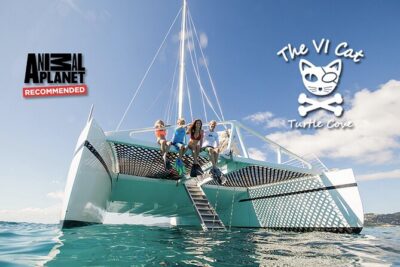
Turtle Cove Catamaran Snorkel and Sail at Little Buck Island STT
Read our review →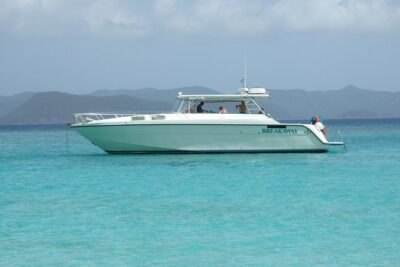
Snorkel St. John Tour from Sapphire and Margaritaville
Read our review →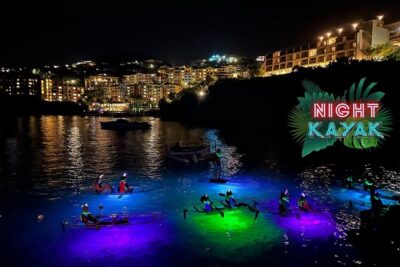
Night Kayak Tour St. Thomas – Westin Frenchman’s Reef
Read our review →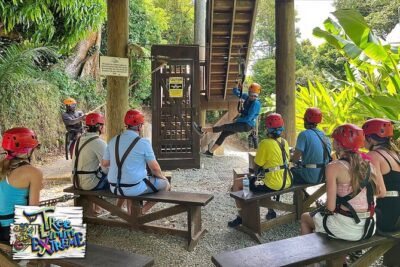
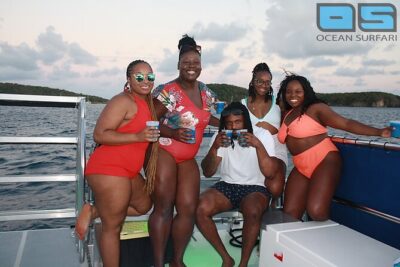
Afternoon Snorkel, Pizza & Sunset Tour departing from St. Thomas & St. John
Read our review →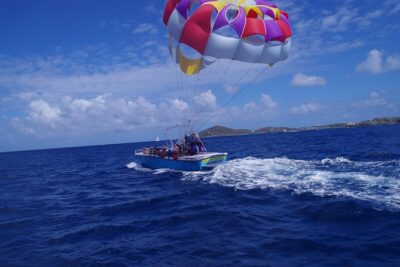
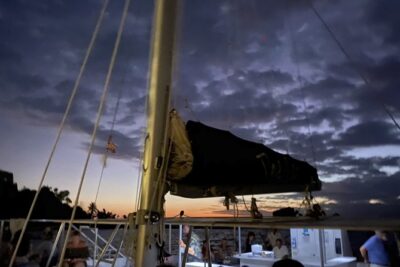
Sunset & Harbor Lights Dinner Sail from the Marriott’s Frenchman’s Cove
Read our review →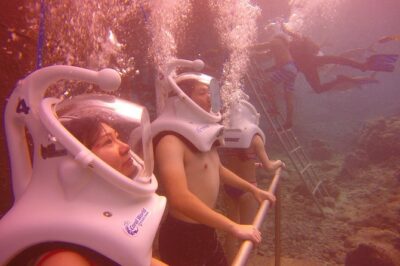
Sea Trek Helmet Dive at Coral World Ocean Park
Read our review →Browse the lists this tour appears in